
From recovery to profit – or the second life of things from renovation
What to do with the rest of the building materials left after finishing?
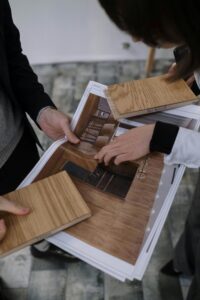

Let’s start thinking about this before making a purchase and choose a wholesaler to which we can return any excess material left over after the renovation. Remember, however, that the returned goods should be packaged. Regarding debris left over from the renovation, check your local garbage collection regulations; there may be a designated collection date for this type of debris, or there may be a collection point near your home.
However, it’s worth keeping spare tiles, panels, or paint scraps in case something needs repairing or replacing.
What other possibilities are there? Use your imagination! Give these leftover materials a second life! You’ll find many uses for wooden pallets; with a little effort, you can create beautiful furniture from them, such as beds, sofas, armchairs, tables, and much more.
Cast iron radiators – how to renovate them?
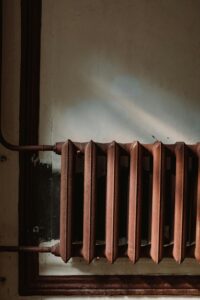
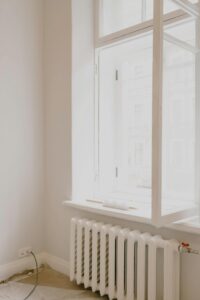
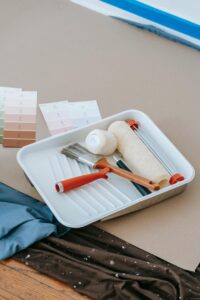
Despite their rather crude appearance, cast iron radiators offer many advantages. They are very durable, maintenance-free, non-clogging, and while they take a long time to heat up, they also take a long time to radiate heat. Unfortunately, their design often leaves much to be desired. Considering their advantages, it’s worth considering refurbishment rather than replacement, which is a significantly cheaper solution.
How to do it?
- It’s best to start by preparing the surface for painting and, if possible, removing the radiator. This, however, will require draining the central heating system.
If you’ve already sealed the floor, the first step is to remove any old coatings. To do this, roughen the radiator with sandpaper. Then, wipe the radiator first with a dry cloth, then with a damp one.
The next step is to remove any rust by shot-blasting. This is most effectively achieved using a brush grinder mounted on a drill.
- After completing these steps, you can move on to painting.
- Which paint should you choose? Ideally, a product designed specifically for cast iron. The paint must be, above all, resistant to high temperatures. It must also have excellent durability, provide good coverage, and adhere to a properly prepared surface. Cast iron paint dries quite slowly, so it’s best to wait a day before applying another coat.
- If you’ve removed the radiator, wait for the paint to dry thoroughly and then reinstall it. It’s best to turn on the heating after 24 hours.
What should you use to paint a radiator?
It’s best to use special radiator brushes—these are flat brushes with a long, curved handle that make it easy to reach hard-to-reach places. You can also choose spray paint, which will also make the job easier.
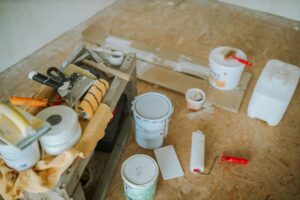
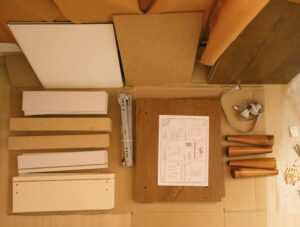
Which demolition elements are worth selling, for example, to a scrap metal collection point, and which finishing elements are worth keeping?
Let’s start with the elements worth keeping. Any finishing touches that might become damaged in the future and require replacement are useful. These could include tiles, panels, and even paint. Manufacturers often discontinue collections, and then we’ll either have to look for something similar that’s different from the rest, or replace the entire piece, which can be very expensive. Therefore, it’s a good idea to have a few pieces of used materials set aside—just in case.
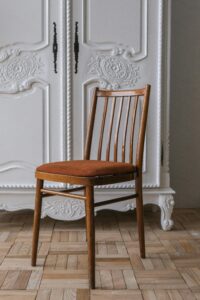
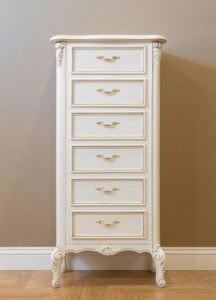

An interesting solution using an old bathroom cupboard
Whether it’s an old house, a tenement apartment, or even a new build, we can fit an old sideboard, a floor-standing radio, or a table under a washbasin cabinet. Instead of throwing them away, we can reuse them, saving money and adding an interesting finishing touch to the interior.