
How to manage installations from A to Z – from construction to finishing


A well-planned electrical installation – what you need to know?
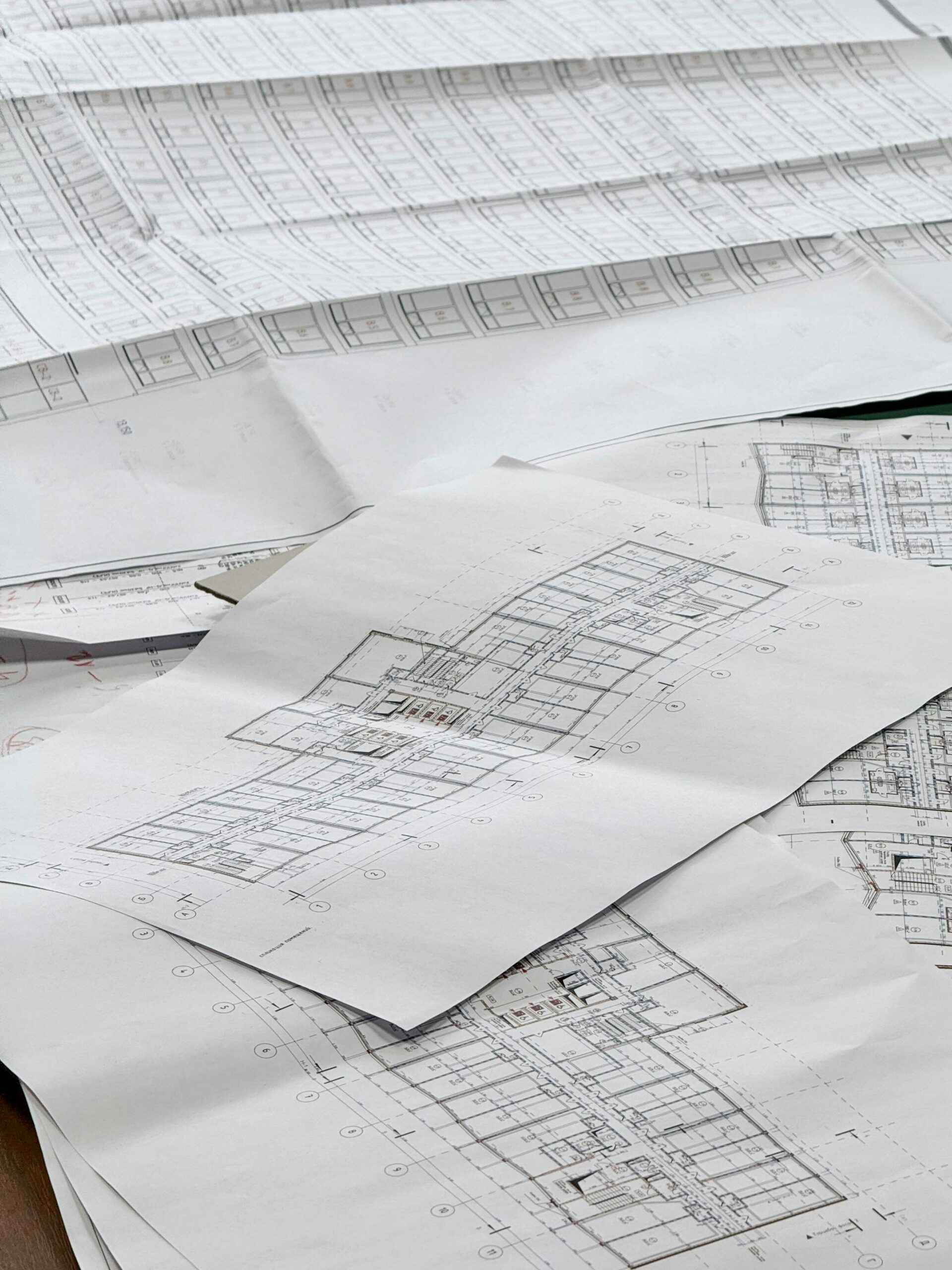
Before you start planning the number of outlets and lighting, draw a floor plan showing where you want to place everything. Consider your preferred sofa size, whether you have a lot of electrical appliances, and whether you prefer overhead lighting or floor lamps. Only after analyzing your needs can you estimate where to place everything.
The most important rules:
- As a rule of thumb, electrical outlets are placed every 200-250 cm. This rule is considered a starting point for further planning.
- It’s not advisable to place electrical outlets behind wardrobes or beds – that is, in places where they won’t be used anyway.
- The largest number of electrical outlets is always planned around desks and the TV. It’s a good idea to ensure that each device you want to connect has its own outlet.
- In the bathroom, it’s worth planning waterproof outlets to best protect the outlet from water and condensation.
- The kitchen is one of the most demanding places to plan electrical installations. This is primarily because each appliance should have a separate outlet, and you should have easy access to these outlets without dismantling anything.
- As a rule, sockets are placed 25-30 cm from the floor, and light switches are placed at a height of 140 cm.

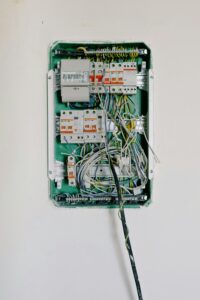
It’s worth remembering that the electrical installation should serve you, allowing you to easily connect electrical devices without unnecessary effort. So, adjust it to your needs. If you’re short, you might find it inconvenient to install a light switch at 140 cm. Also, consider your electrical appliances and consider making them easier. For example, it’s worth installing USB charging sockets in the bedroom or motion sensors in the hallways. Some solutions not only save money but also improve safety.
If you’re unsure how to properly plan an electrical system – seek professional help. Electrical installations are one of the most important elements, and they’ll remain with you for years to come, perhaps even decades. In our case, designing an electrical system is one of the longest stages because it requires a detailed understanding of the user’s needs and careful planning.


Plumbing design – the most important rules and tip
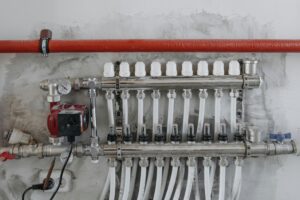
Plumbing is primarily concentrated in the kitchen and bathroom. Planning it isn’t complicated, as long as you know where you want to place your fixtures. Of course, there are things you can plan for better or worse. So, check out our #tips we use when planning a plumbing system:

We most often use a flat drain under the sink to accommodate multiple waste bins. A traditional drain can block access to the back of the cabinet or prevent the placement of a larger waste bin. To avoid this, it’s worth looking for a flat drain, which is just as effective as a traditional one.
In addition to the sink tap, we also plan to connect cold water to the dishwasher. And if the dishwasher model has this capability, we also plan to connect hot water. This isn’t just about being able to react quickly and turn off the water in the event of a malfunction. Currently, most dishwashers require adequate water pressure to operate, which isn’t provided if the connection is shared with the sink tap.
If your home has a separate laundry room planned, be sure to include an additional, large, steel sink there. This is useful not only for quickly removing stains but also for rinsing household cleaning tools.
If the washing machine is located in a cabinet next to the sink in the bathroom, it’s a good idea to place all water connections and drainage under the sink for the washing machine. This will make it easy to turn the water on or off without removing all the appliances.
Remember that pipes should be the shortest route, and proper slopes are essential.
If you decide to install a free-standing bathtub faucet, note that such a faucet is built into the floor of the room. This isn’t always possible due to thin ceilings, the need for floor wiring, and extensive chiseling.
How to check if electrical and plumbing installations are properly installed?


- Pay attention to how electrical cables are routed – they should be placed along horizontal and vertical lines.
- Check whether electrical appliances such as washing machines, ovens, and refrigerators are on their own circuits.
- Check whether all circuits are properly labeled and described in the electrical box.
- Check whether there is power in each socket and whether there is no hissing or sparking when the appliance is plugged in.
- Measure the voltage at the socket with a multimeter.
- For water installations, perform a pressure test to verify that everything is working properly and that there are no leaks.
- Be sure to ask an electrician for the appropriate electrical installation report.