
Scandinavian Style – Why It Continues to Be So Popular
For years, it has been one of the most popular interior styles in Polish homes. It is cozy yet modern, combining simple forms with functionality. We are, of course, talking about Scandinavian style. Discover what makes Scandinavian style unique. Learn about its history, colors, natural materials, and practical tips that will help you create a harmonious interior.
History of Scandinavian Style

It all began in the 17th century, when the middle class in Northern Europe started to perceive their homes as places that provided privacy. From today’s perspective, this seems completely natural, and it is hard to imagine that houses were once primarily public spaces. Throughout the Middle Ages, homes were places where matters related to family livelihood were handled, and people shared meals at the same table with servants.
Over time, only the ground floor remained a public area, while the upper floors became private spaces. Step by step, interiors began to serve their owners rather than outsiders. These changes required not only a shift in mindset but also a transformation in interior design. Until the 18th century, an ordinary chair in Europe was considered more of a decorative object than a piece of furniture intended for everyday use.
The harsh climate and distant sea horizons influenced the way people perceived an ideal home. The most important principles became simplicity and comfort. Such a home was meant to create a contrast with life aboard a ship at sea. Soft shapes, natural materials, and understated forms became the defining features of Scandinavian design. However, interiors were not the only area that attracted the attention of Scandinavians.
What characterizes Scandinavian style in interiors?
- Muted Colors
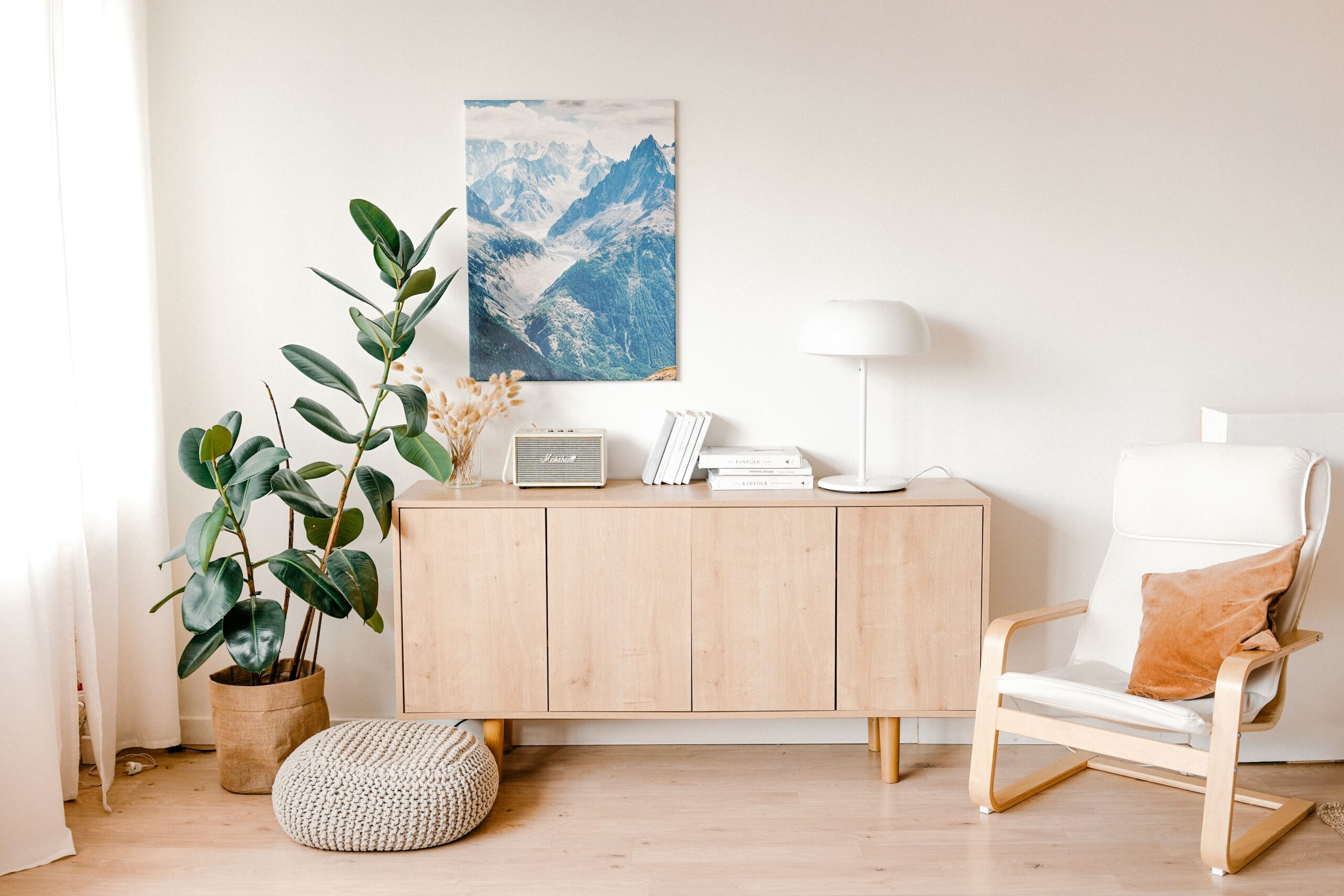
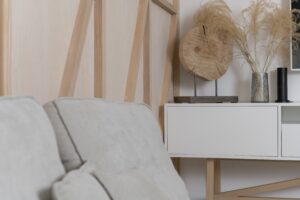
If you want your space to reflect Scandinavian style, set aside bold yellows and oranges and choose beige, gray, and white tones instead. A consistent color palette creates the perfect foundation for adding decorative elements and accessories.
- Simple Lines and Symmetry
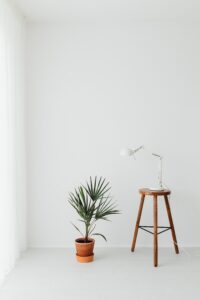
Simplicity and minimalism are the most important elements of pure Scandinavian style. Remember to maintain symmetry when arranging furniture or hanging artwork on the walls. This sense of repetition creates balance and, as a result, a feeling of safety and harmony.
- Natural Materials
Choose natural flooring as well as natural materials for furniture and walls. It is also very important to preserve their authentic colors and textures. What is the point of having a real wooden floor if it is covered with a thick layer of varnish that hides its natural beauty?


- Wood
In your home, wood should have similar shades throughout the space, appearing in the kitchen, living room, and even the bathroom. Remember that wood is not only about appearance but also about its beautiful natural scent, which helps create the overall atmosphere of the interior. Natural materials are an essential element of Scandinavian design.
- Coziness
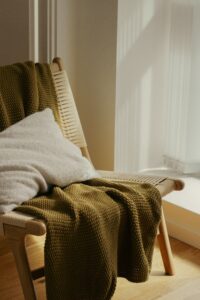
You can create a cozy atmosphere by adding fluffy rugs, soft blankets, light-colored cushions, and curtains. Everyone perceives coziness differently, so it is worth experimenting. Sometimes a single cushion on the sofa can change everything, while other times a space needs additional accessories to achieve the desired effect.

Home in, Home out
The perfect summary of Scandinavian style is the principle of “home in, home out.” It is based on the idea that what surrounds us outside should be reflected inside through natural materials, textures, and colors. This principle shows that Scandinavian style is deeply connected with respect for nature and a harmonious relationship with the environment.
Frequently Asked Questions
What colors suit Scandinavian style?
The basic colors of Scandinavian style are white, gray, and beige. The interior can also be complemented with earthy tones such as blue, green, or sandy browns. These colors create a calm, natural, and harmonious atmosphere.
Is Scandinavian style still popular?
Yes, Scandinavian style continues to be very popular. Its character is timeless, functional, and versatile. This style works perfectly in both modern and classic interiors.
What type of wood should be chosen for Scandinavian interiors?
Light-colored wood works best in Scandinavian interiors, such as oak, ash, pine, or birch. It is worth choosing materials with visible grain patterns, as they make the wood look even more natural and authentic.