Types of wallpaper – which one should you choose for your interior?

Decorative walls are very popular in our homes, and wall wallpapers are among the most frequently chosen solutions. Instead of a traditional uniform color, various materials and even textures are used. This solution attracts attention and changes the character of the space. Are you wondering what the perfect wallpaper for your bedroom, living room, or office would be? In this article, you will learn about the most popular types of wall wallpapers, their advantages and disadvantages, and find out which one will work best in your interior.

Types of wall wallpapers – which one should you choose?

Usually, when we think about putting wallpaper in our home, we often have no idea that there are so many different types of wallpaper available on the market. The type we choose depends on our needs, budget, and personal taste. Each wall wallpaper available on the market has different properties, a different installation and removal process, and a unique appearance. The most popular types include:

  • vinyl wallpaper on non-woven backing,
  • textile wallpaper,
  • fiberglass wallpaper,
  • spray wallpaper.

Vinyl wallpaper on a non-woven backing
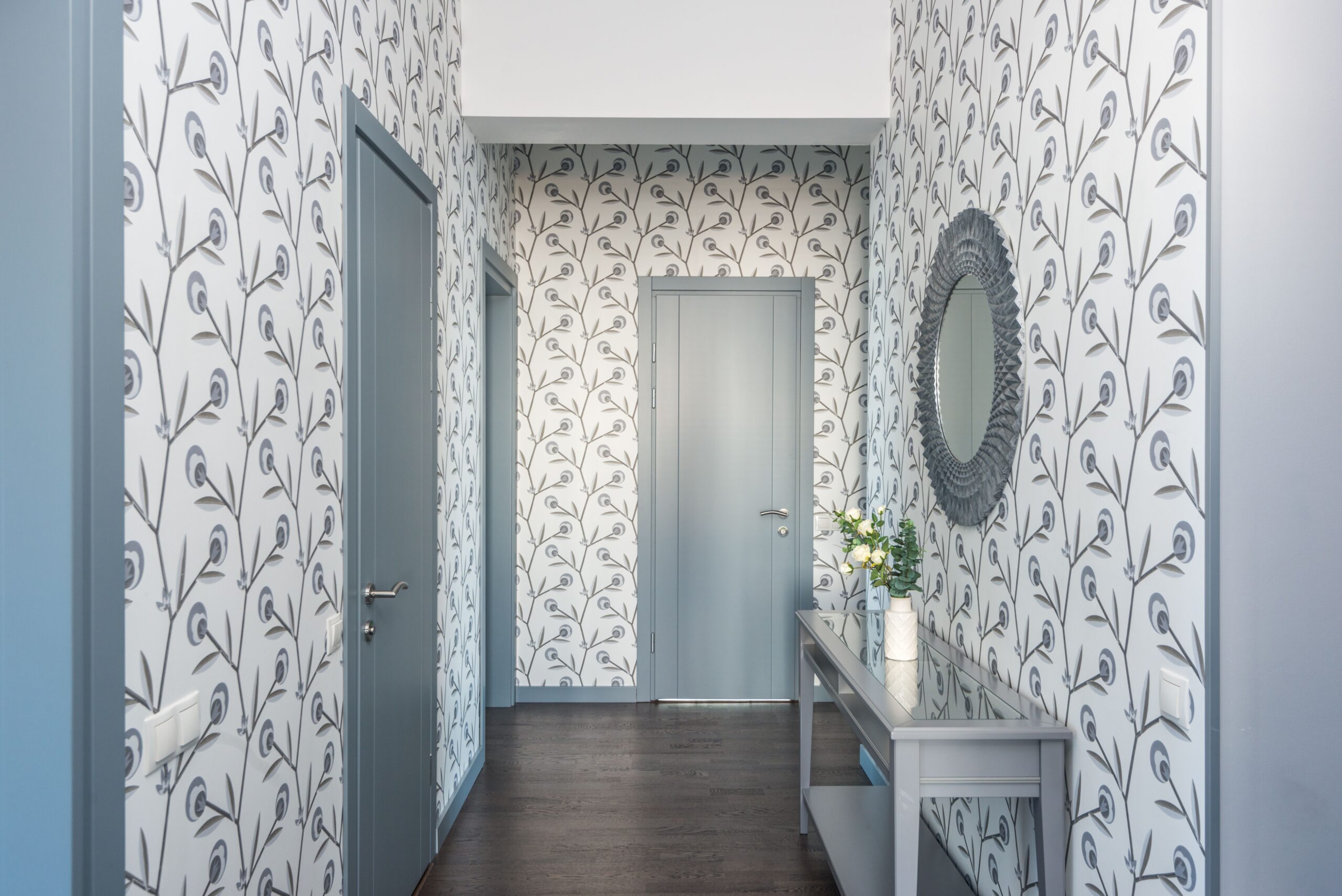
Vinyl wallpaper on a non-woven backing is one of the most frequently chosen solutions by people looking for something durable, suitable for humid rooms, and easy to install. Thanks to its construction, it is waterproof and resistant, as well as easy to clean. However, it is worth knowing that if your wall has any imperfections, you should choose wallpaper made of so-called expanded vinyl, because vinyl wallpaper on a non-woven backing, due to its properties, works better on smooth walls.
Textile wallpaper

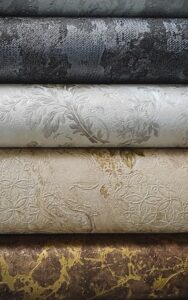
Textile wallpaper is a solution that works well in rooms where temperature and air humidity fluctuations are not significant. If the conditions in your home change frequently, you should think twice before choosing textile wallpaper. Keep in mind that, due to the natural materials it is made from, it will not be the cheapest option. The pattern of such wallpaper is often designed by popular designers, which also affects the price. Despite the high cost, the result is often spectacular and makes the interior look more elegant and cozy.

Fiberglass wallpaper

One of the wallpapers we most often see in DIY stores is fiberglass wallpaper. This is because its price is usually low, while the wallpaper itself is known for its resistance and durability. Fiberglass wallpaper helps mask wall imperfections and cracks. Despite these advantages and the fact that it can be applied to many surfaces (concrete, plasterboard, wood), removing it later can be problematic. Very often, during removal, this type of wallpaper comes off together with the plaster. In addition, the installation process itself is time-consuming and requires patience.

Spray wallpaper

This wallpaper is definitely different. It comes in the form of a semi-liquid mixture or powder. It is applied using a pneumatic spray gun, which ensures an even distribution of the material. Due to its resistance to abrasion, it is ideal for offices or staircases. It adheres not only to concrete but also to pipes and radiators. Any type of spray wallpaper can be repainted in any color, even after it has been previously varnished. Its biggest disadvantage is removal, which can be very time-consuming.

Is wallpaper better than paint?

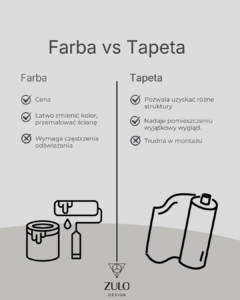
It all depends on the effect we want to achieve. There is no clear answer to this question. Paint is definitely a cheaper and simpler choice, but it does not allow you to achieve as many textures and patterns as wallpaper does.

How to prepare a wall for wallpaper?


This process is extremely important. Even the best and most expensive wallpaper will not look good if mistakes are made during installation. The wall should be thoroughly cleaned of dust and dirt, and any gaps or imperfections should be filled or smoothed out. In the case of highly absorbent surfaces, it is worth applying a primer, which will improve the adhesive’s grip and make wallpaper installation easier.

How much does wallpaper installation cost?

The cost of wallpaper depends on many factors. The price is influenced not only by the material itself but also by the labour of the person carrying out the installation. It is worth remembering that choosing cheaper wallpaper does not always mean a lower overall investment cost. A properly selected material can be more durable and help avoid frequent repairs or replacement of the wall decoration.

How to remove old wallpaper?


Removing old wallpaper depends primarily on its type. Some wallpapers can be peeled off easily, while others require a great deal of patience. However, remember to protect the floor. In the case of strongly adhered materials, it can be helpful to moisten the surface with a special solution or water, which will make it easier to dissolve the adhesive.

Which wallpaper should you choose for your interior?

For the living room, a textile or decorative wallpaper would be the best choice, as it will help create an elegant and cosy look.

For the kitchen and hallway, we would choose vinyl wallpaper. Especially in these rooms, the wallpaper should be resistant to moisture.

If your walls are uneven, choose fibreglass wallpaper or expanded vinyl wallpaper. These options will help conceal imperfections.

Offices and heavily used areas require spray-on wallpaper.

If you are looking for the perfect wallpaper for your interior, contact us. We will be happy to help you choose the solution that best suits your needs and style. You do not have to make this decision on your own – we will advise you at every stage.

Darmowa konsultacja
Zostaw swoje dane, a sami się z Tobą skontaktujemy

    Skip to content