
Kitchen Countertop – which one to choose to last for many years?
Wood or stone? We also have the choice of materials such as laminate, sintered metal, composite, or glass. What are their characteristics, and when should you choose one?
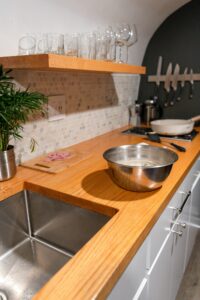
Wood
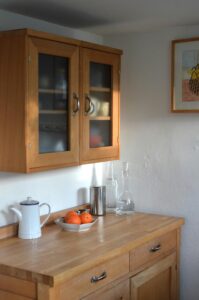
A real wood countertop is one of the most beautiful finishing elements in a kitchen. If you’re opting for a wooden countertop, be sure to choose one made of a hardwood species. Avoid countertops made of softer woods, such as pine. These countertops are significantly less scratch-resistant and less resistant to dirt.
However, regardless of the type of wood you choose, remember that a wooden countertop requires maintenance. Oiling or waxing is essential. This will help it retain its appearance longer and be more stain-resistant.
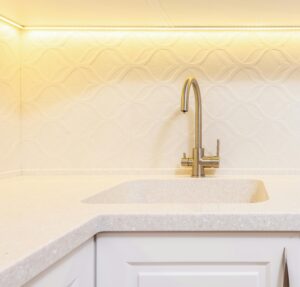
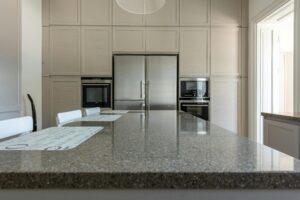
Stone
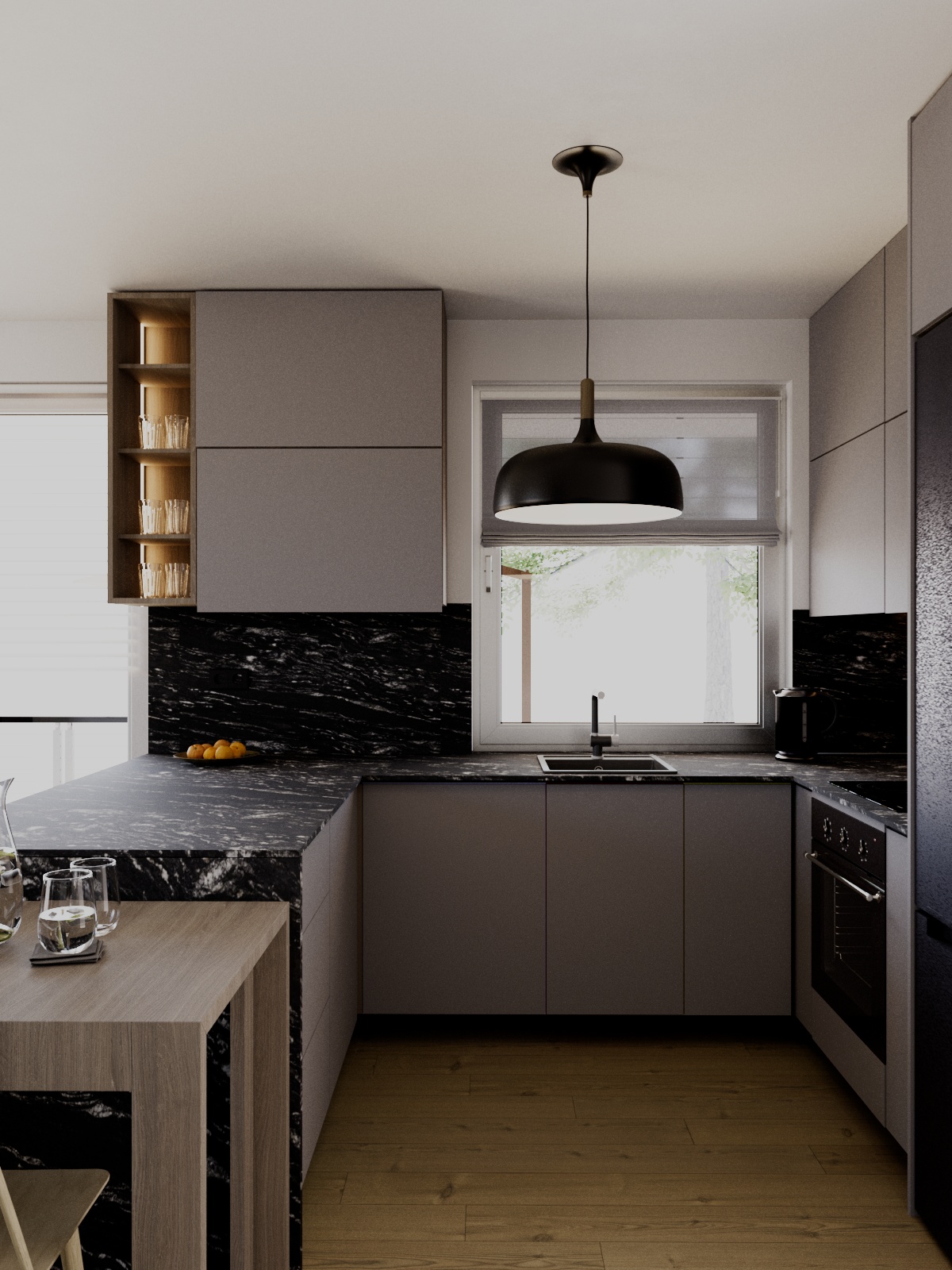
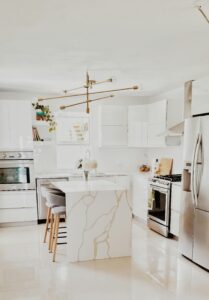
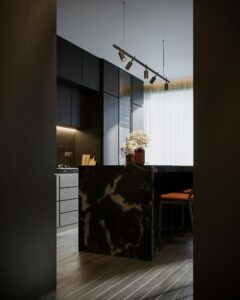
A kitchen countertop made of natural stone is one of the more expensive options, but unlike wood, it is much more resistant to scratches and stains. A major advantage of a stone countertop is its resistance to high temperatures and the option of including a sink in a color-coordinated set. Stone countertops are most often made of granite due to its unparalleled durability and abrasion resistance. Stones such as marble, basalt, or porphyry can also be used. However, it’s important to remember that marble and basalt must be protected, as unprotected surfaces easily absorb dirt. Furthermore, marble is the least recommended material for a kitchen countertop. Marble, a limestone, is soft and can scratch and permanently stain relatively quickly.
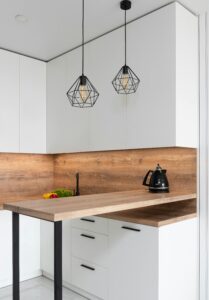

Laminate
If you’re looking for a countertop with a wood look and also want something much more scratch-resistant and at a lower price, a laminate countertop can be a great option. Increasingly advanced technology for achieving a natural laminate look allows us to find patterns that perfectly mimic the grain of wood. Well-made laminate countertops are durable, scratch-resistant, heat- and UV-resistant, and even antibacterial (learn more HERE). This means that in most cases, you can place a pot of hot soup directly on them without any damage.
Laminate countertops are made of CPL (Continuous Pressed Laminate) chipboard, HPL (High Pressure Laminate), or MDF (dry-formed fiberboard). Countertops made with CPL or HPL technology are the most durable and highly recommended, and are more expensive than MDF countertops. However, the biggest drawback of MDF countertops is their durability. Compared to other solutions, these countertops are susceptible to damage quickly, and areas exposed to moisture (e.g. around the sink) may delaminate and swell.
Sintered quartz
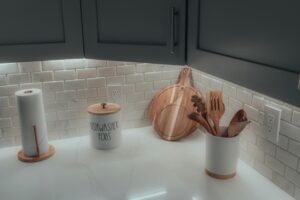
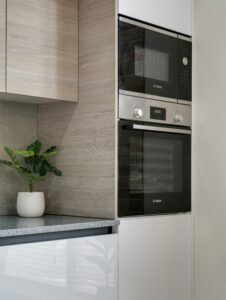
Sintered quartz is an interesting solution if you want your kitchen countertop to be durable yet thin (such countertops can be up to 6 mm thick). Sintered quartz is made from quartz, shale clay, granite rock, and ceramic pigments. Therefore, the sintered quartz can imitate natural stone or even wood. It is stain and abrasion resistant. Furthermore, it has the added advantage of being lightweight. A sintered countertop does not require additional reinforcement of the cabinet frame, as may be the case with stone countertops.
Composite
“Durable, solid, resistant to dirt, UV radiation, and temperature” – these are the opinions we read about this type of countertop. For us, one of the incredible advantages of this solution is the ability to shape and connect to the sink countertop, without visible edges.
This solution not only enhances aesthetics but also significantly simplifies cleaning. Thanks to the wide range of colors, composites can be matched to any kitchen. Unfortunately, the downside of composite countertops is their price, but the ability to periodically sand and polish this material can ensure its good appearance for at least 20 years.
Glass
Glass kitchen countertops, while well-known, are a newcomer to the market. Tempered or laminated glass is used to manufacture glass countertops, with an additional film between two sheets of glass. This solution is very safe (glass with the additional film is practically impossible to shatter) and offers an attractive aesthetic advantage if the film is tinted in a color.
Glass countertops can be matte, tinted, transparent, or glossy. Their undeniable advantages include temperature resistance, material hardness, and resistance to UV radiation. Unfortunately, like stone countertops, they are mostly made to order, hence their relatively high price.