
Mechanical or Natural Ventilation? Comparison of Solutions
In both apartments and houses, we can encounter mechanical or natural ventilation. Choosing the right ventilation system is very important. Ventilation is responsible for replacing stale air with fresh air and removing excess moisture from the home. Mechanical and natural ventilation work on different principles and provide different benefits. In this article, we will compare these solutions and help you choose the ideal ventilation system for your space.
What is mechanical ventilation?
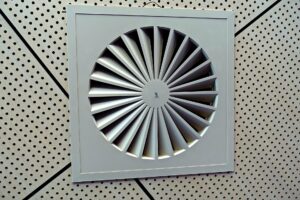
It is an air exchange system in which airflow is forced by fans. It ensures a constant supply of fresh air and effective removal of stale air from rooms, regardless of weather conditions.
Mechanical ventilation is divided into:
- exhaust ventilation – with an exhaust fan and air supply through air inlets, similar to natural ventilation,
- supply and exhaust ventilation – with supply and exhaust fans located in a central unit, commonly known as heat recovery ventilation (HRV/rekuperation).
Important information: In apartments without a corner layout (with windows only on one side of the building), natural air exchange is very limited, so efficient ventilation plays a particularly important role. In such apartments, mechanical ventilation is often used to ensure proper air circulation regardless of weather conditions. The developer is required to design the ventilation system in accordance with applicable regulations and ensure effective air exchange. In modern buildings, mechanical ventilation is becoming an increasingly popular solution, especially in airtight and single-sided apartments.
What are the advantages of mechanical ventilation?
One of the greatest advantages of mechanical ventilation is its independence from weather conditions. This solution is also highly effective, providing constant and controlled air exchange. It is worth knowing that if you are planning an energy-efficient house, a good solution is to use supply and exhaust ventilation, also known as heat recovery ventilation. A heat recovery system uses a central unit designed to recover heat from extracted air. An additional advantage of heat recovery ventilation is the possibility of installing air filters, which help keep the air fresh and free from particulate pollutants.
What are the disadvantages of mechanical ventilation?
Mechanical ventilation is more expensive to install than natural ventilation. Regular maintenance and replacement of air filters are also required. This type of ventilation relies on electricity, which means that the system stops working in the event of a power failure. Mechanical ventilation also requires a properly designed and professionally installed system.
What is natural ventilation?
Natural ventilation, also known as gravity ventilation, works due to the difference in air pressure inside and outside the building. As a result, stale air is removed through ventilation ducts, while fresh air enters rooms through air inlets or leaks in windows and doors. It is most effective in winter, when the pressure difference is the greatest, and least effective in summer.
What are the advantages of natural ventilation?
The main advantages of natural ventilation include silent operation and the ability to function without electricity. This type of ventilation is also simple, inexpensive, and easy to install. It requires minimal maintenance and does not need an electrical power supply.
What are the disadvantages of natural ventilation?
Its biggest disadvantage is unpredictability, as it may work well one day and poorly the next. Additionally, excessive ventilation in winter can lead to significant heat losses. This type of ventilation performs worse in modern, airtight buildings. It also does not allow heat recovery or filtration of incoming air.
Ventilation and interior design