
Warm, warmer – what about those radiators?
Radiators are divided into different categories. First, there are four types of radiators, each differing in their power source.
- Electric radiators – connected to electricity and with precise temperature control. These radiators are available both wall-mounted and portable.
- Oil radiators – filled with oil, which transfers heat to the radiator casing.
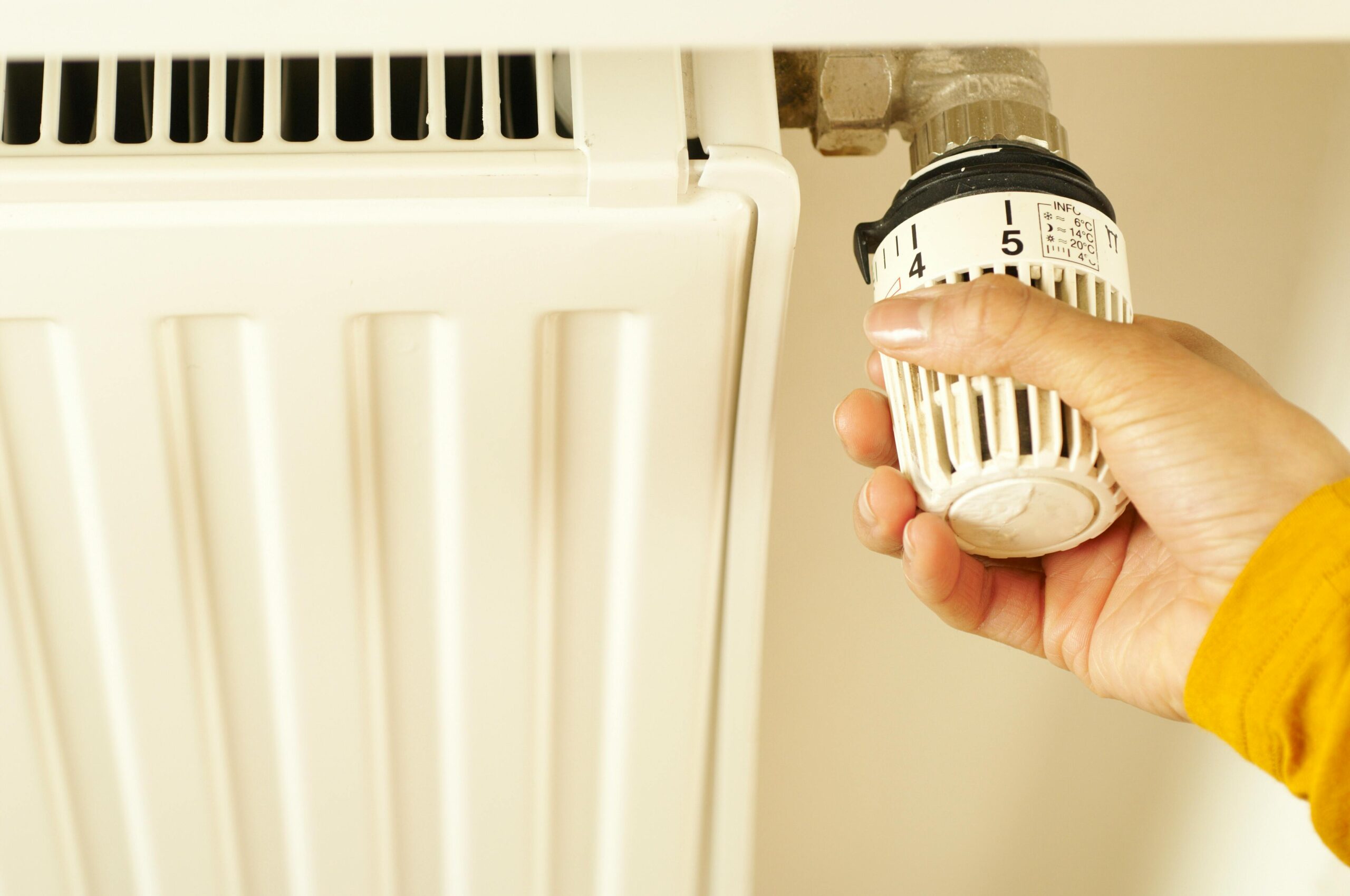
- Central heating radiators – usually connected as an auxiliary heater, they have temperature control.
- Gas radiators – inexpensive to use, but require a gas cylinder for operation.

Division of radiators according to the material from which they are made:
- Cast iron radiators – heat up slowly but radiate heat for a long time, resistant to corrosion.
- Aluminum radiators – allow for precise heating power adjustment, easy to clean, corrosion-resistant, but less resistant to damage than cast iron.
- Steel radiators – lightweight, aesthetically pleasing, and available in decorative options. Their advantages include rapid heating and the ability to adjust the heating power to the room temperature.
Due to their appearance, we distinguish:
- Traditional radiators – usually simple, white, found in many homes,
- Decorative radiators – decorative, with fanciful shapes,
- Channel radiators – a grid in the floor, can be the same color as the panels,
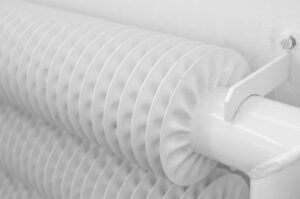
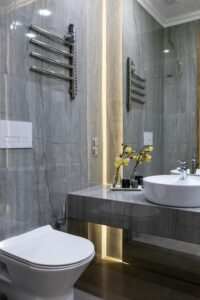
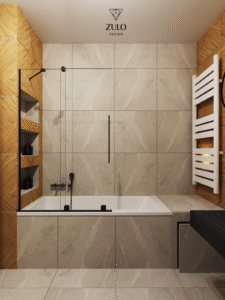
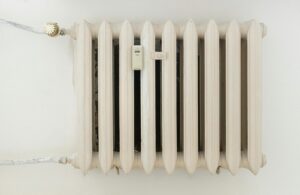
- Ladder radiators – ideal for bathrooms, shaped like a ladder, Rib radiators – usually cast iron, of the old style.

How to calculate radiator power? Before deciding on a specific type of radiator, we should calculate the required power. To do this, we need to calculate the heat demand per square meter. How do we go about it?
First, it’s worth determining whether the building is insulated. For uninsulated buildings, the heating power is 120-200 W/m², while for buildings built between 1980 and 2000, we can assume the required power will be 90-120 W/m². In newer buildings, rooms are better insulated thanks to tight windows and the type of polystyrene used, reducing the required power to 60-90 W/m².
Once these values are known, multiply the heating power by the room’s area.
It’s worth remembering that each room type has a different heating requirement, even if they have similar areas. The temperature in the bathroom should be slightly higher, while in the kitchen, due to the additional heat sources provided by household appliances, we can opt for a lower radiator power.

When choosing the power, we can also take into account the number of windows and the optimal temperature we want to achieve:
- If the room has no more than one window or external wall, and the optimal air temperature is less than 20 degrees Celsius, a heater with a power of 70-80 W/m² is a good choice.
- If the room has more than one window or external wall, and the optimal air temperature is less than 20 degrees Celsius, a heater with a power of 80-100 W/m² is a good choice.
- If the room has no more than one window or external wall, and the optimal air temperature is around 24 degrees Celsius, a heater with a power of 100-120 W/m² is a good choice.
- If the room has more than one window or external wall, and the optimal air temperature is around 24 degrees Celsius, a heater with a power of 130-150 W/m² is a good choice. The best place to install the heater is under a window.
- If the heater is to be built into the room, its power should be increased by up to half.